Relocating to Las Vegas in 2026 can be exciting, but one of the biggest mistakes out-of-state buyers make is assuming the valley feels the same everywhere. It does not. Las Vegas, Henderson, Summerlin, Southwest Las Vegas, Skye Canyon, Green Valley, Inspirada, and other parts of Southern Nevada each have their own rhythm, housing style, commute patterns, and lifestyle tradeoffs.
If you are moving from California, the Pacific Northwest, the Northeast, or another higher-cost market, it is tempting to begin with square footage and price comparisons. Those numbers matter, of course. But before choosing a neighborhood, it is smarter to think through how you want your daily life to feel once you get here.
Do not choose by price alone
Many relocation buyers begin by filtering homes online according to price range, bedroom count, and photos. That is understandable, but in Las Vegas, neighborhood fit often has a bigger impact on long-term satisfaction than buyers expect.
A home that looks like a bargain on paper may come with a longer commute, less convenient access to the parts of town you care about, a different community feel than you imagined, or an HOA structure that does not suit your lifestyle. On the other hand, a neighborhood that seems slightly more expensive at first glance may prove more valuable because it better fits your work, routines, recreation, and plans for the next several years.
Think in terms of lifestyle first
Before narrowing down neighborhoods, start with lifestyle questions. Do you want a master-planned community feel, or something more established and organic? Are you looking for newer construction, a lock-and-leave townhome, a single-story downsizing option, or a larger home with room to grow? Do you want easier access to golf, dining, hiking, airport routes, healthcare, or specific work corridors?
Las Vegas is a valley of very different pockets. Some areas feel polished and highly planned. Some feel more suburban and family-centered. Others lean more toward convenience, accessibility, or value. Clarifying your priorities early will save you time and prevent you from falling in love with the wrong kind of location.
Understand that “Las Vegas” can mean very different things
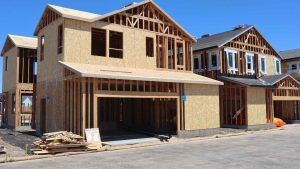
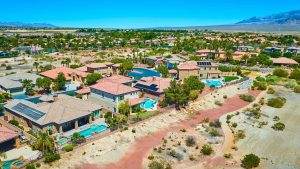
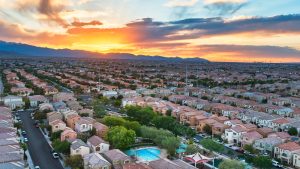
To an out-of-state buyer, “Las Vegas” can sound like one place. In reality, it is a collection of distinct submarkets and communities. Summerlin may appeal to buyers who want a well-known master-planned environment, outdoor access, and a more curated neighborhood feel. Henderson often attracts buyers looking for strong suburban appeal, varied housing options, and a sense of separation from the central Las Vegas core. Southwest Las Vegas may interest buyers who want newer housing and practical convenience. Skye Canyon and other outer-valley communities may appeal to buyers looking for more home for the money or newer development patterns.
The point is not that one area is better than another. It is that the right choice depends on what “better” means for you.
Commute and daily driving matter more than newcomers expect
Relocation buyers are often surprised by how important traffic patterns, freeway access, and routine driving become once they settle in. The valley may look manageable on a map, but the experience of driving from one end of town to another several times a week can shape how convenient a neighborhood feels over time.
If you work hybrid, travel often, need airport access, visit clients, or expect to cross the valley regularly, location deserves extra weight in your decision. A beautiful home loses some of its appeal if the day-to-day logistics do not work well for you.
Housing type matters just as much as neighborhood name
Not every relocation buyer needs the same kind of property. Some buyers moving from dense urban markets are happy trading a condo for a detached home and a little more breathing room. Others want exactly the opposite: lower maintenance, easier lock-and-leave living, and less exterior upkeep.
That means the neighborhood decision should always be paired with a property-type decision. A condo in one area, a townhome in another, and a single-family home in a third may each create a completely different living experience, even if the monthly payment is similar.
Do not underestimate HOA, community rules, and monthly cost structure
Out-of-state buyers sometimes focus so heavily on purchase price that they miss the monthly cost structure. HOA dues, special district costs, amenities, guard-gated fees, landscaping responsibilities, and property tax differences can all affect how a home feels financially after closing.
That does not mean HOA communities are a negative. In many Las Vegas and Henderson neighborhoods, they are part of what creates the appeal. It simply means buyers should understand what they are paying for and whether those rules and costs align with the lifestyle they want.
Visit with purpose if you can
If an in-person visit is possible, use it strategically. Do not only tour houses. Drive the surrounding streets. Visit the nearby shopping and dining areas. Check the route to the airport. Look at how the community feels at different times of day. Pay attention to the pace, the upkeep, the parking patterns, and how comfortable the area feels to you.
If an in-person trip is not possible right away, a local real estate guide becomes even more important. Video tours and online searches help, but they do not always reveal what it is like to actually live in a neighborhood.
Think beyond the move itself
The best relocation decisions are made with the next chapter in mind, not just the move itself. Ask yourself how long you expect to stay, whether your work situation may change, whether guests or family will visit often, and whether the property may need to serve different purposes over time.
A buyer planning to stay three years may prioritize flexibility differently than someone planning to build a long-term home base in Nevada. Thinking ahead can keep you from choosing a neighborhood that only solves the immediate transition.
Why 2026 may be a better time to choose carefully
One advantage relocation buyers have in 2026 is that the market appears to offer more breathing room than some of the more frantic periods of recent years. More inventory and a somewhat more balanced environment can give buyers the chance to compare neighborhoods more thoughtfully, ask better questions, and focus on fit instead of reacting emotionally to urgency.
That does not mean every home is easy to get or every deal is effortless. It means careful planning can matter more than speed alone, especially for buyers entering the Las Vegas market from out of state.
Final thoughts
If you are relocating to Las Vegas in 2026, the smartest first step is not choosing a house. It is choosing the right part of the valley for the way you want to live. Neighborhood, commute, housing type, HOA structure, lifestyle priorities, and long-term plans all deserve a place in the conversation.
If you are moving to Las Vegas, Henderson, Summerlin, or another Southern Nevada community, I can help you compare neighborhoods with your real life in mind, not just what looks good in an online search. A thoughtful relocation strategy can make all the difference between simply moving and truly landing well.