By Darra Williams, REALTOR® at Berkshire Hathaway
Las Vegas is a city of glitz, opportunity, and reinvention—but in 2025, many residents are finding themselves grappling with a growing concern: housing affordability. Once known for its relatively low cost of living and accessible real estate, Las Vegas is now facing one of the most intense housing affordability crises in its history.
With rent hikes, stagnant wages, and soaring home prices, many working-class families and first-time homebuyers are being priced out of the very city they help sustain. In this blog, we’ll explore the key issues behind the crisis, who it affects most, and what solutions—both public and private—are being proposed to address it.
A Snapshot of the Crisis
Between 2016 and 2025, Las Vegas rents have increased by more than 40%, while wage growth has lagged behind. The median home price in Las Vegas has reached approximately $440,000 as of Spring 2025, according to Redfin. While that may still be more affordable than major California cities, it represents a significant barrier for locals who once counted on Las Vegas as an affordable alternative.
As a result, the housing affordability index—a key indicator of how affordable housing is for the median income earner—has dropped to historic lows in the Las Vegas Valley. Many renters now spend more than 35% of their income on housing, exceeding the threshold of what’s considered financially sustainable.
Who’s Being Affected the Most?
The affordability crisis is hitting multiple groups across the Las Vegas metro area, but some are feeling the pressure more than others:
- Service industry workers – Casino, hospitality, and food service employees form the backbone of the Vegas economy, yet their wages have not kept pace with rising housing costs.
- Young professionals and first-time buyers – Many millennials and Gen Z adults are unable to save for a down payment due to high rents and student loan debt.
- Seniors on fixed incomes – As rents rise, many retirees are struggling to stay in homes they’ve occupied for years.
- Minority and immigrant communities – These groups are disproportionately affected due to long-standing income disparities and limited access to credit.
What’s Driving the Housing Cost Surge?
Several overlapping factors have contributed to Las Vegas’ housing crisis:
1. Population Growth & Migration
Las Vegas continues to attract transplants from California, Arizona, and other high-cost states. These newcomers often have higher incomes or access to equity from previous home sales, allowing them to outbid locals on both purchases and rentals.
2. Lack of Affordable Housing Development
While luxury condos and master-planned communities like Summerlin continue to grow, there has been significantly less development focused on entry-level homes or affordable multifamily housing.
3. Investor Activity
Real estate investors—both local and national—have scooped up thousands of properties since the pandemic. Many are turning single-family homes into rentals, reducing available inventory for owner-occupants.
4. Short-Term Rentals
Platforms like Airbnb have removed homes from the long-term rental pool, particularly in neighborhoods near the Strip and downtown, exacerbating the supply problem.
5. Rising Construction Costs
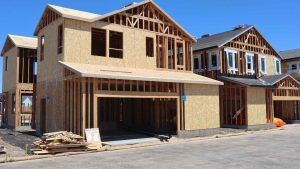
Inflation and supply chain disruptions have driven up the cost of building new homes, causing developers to focus on higher-end products to protect their margins.
How Is the City Responding?
Las Vegas and Clark County have started to implement programs to ease the crisis, though critics say more aggressive action is needed.
Affordable Housing Initiatives
The City of Las Vegas has committed funding toward the development of affordable housing units, often in partnership with nonprofit developers. However, the number of units being built still falls short of demand.
Rental Assistance Programs
Temporary relief programs for renters affected by inflation or job loss have helped some avoid eviction, but these are often short-term solutions.
Zoning Changes
Efforts to loosen zoning restrictions are underway to encourage higher-density housing, accessory dwelling units (ADUs), and mixed-use developments in previously low-density zones.
Short-Term Rental Regulations
The county is implementing stricter regulations and licensing requirements for Airbnb-style rentals, aiming to return more homes to the long-term rental market.
What Can Buyers and Renters Do Right Now?
If you’re feeling the squeeze of rising housing costs in Las Vegas, here are a few proactive steps to consider:
1. Explore Down Payment Assistance Programs
There are several local and state programs in Nevada that offer grants or loans for first-time homebuyers. These can reduce the upfront cost of purchasing a home significantly.
2. Consider Emerging Neighborhoods
Areas like North Las Vegas, Centennial Hills, and East Las Vegas still offer comparatively affordable housing and may see appreciation in the coming years.
3. Look at Townhomes or Condos
If a single-family home is out of reach, townhouses and condominiums often come with a lower purchase price and can be a stepping stone into the market.
4. Work with a Local REALTOR®
A local real estate expert can help you identify listings that are priced appropriately, connect you with financing options, and help you act quickly in a competitive market.
How Investors Can Be Part of the Solution
Ethical investing is possible—and increasingly necessary. Investors can:
- Offer reasonable rents that align with market rates and tenant incomes.
- Renovate rather than replace affordable housing stock.
- Partner with local housing organizations to support mixed-income developments.
- Avoid excessive rent hikes that displace long-term tenants.
A sustainable market benefits everyone, including investors with long-term vision.
Final Thoughts: Finding Hope in a Challenging Market
Las Vegas is undoubtedly facing a housing affordability crisis in 2025—but awareness is growing, and solutions are starting to take root. From revised zoning laws to community-driven affordable housing projects, the seeds of progress are being planted.
As a REALTOR® who works closely with both buyers and sellers, I believe that access to stable, affordable housing is essential to the health and diversity of our community. Whether you’re a buyer, a renter, or an investor, I’m here to help you navigate this complex market with empathy and local insight.
If you’re ready to explore your options, I invite you to reach out for a one-on-one consultation. Together, we can find a way forward—even in the most challenging markets.