When headlines say the national housing market is slowing, Las Vegas homeowners and buyers naturally want to know what that means locally. Will prices fall? Will buyers disappear? Should sellers rush to list? Or could a slower market actually create opportunities?
The important thing to remember is that real estate is local. National trends influence mortgage rates, consumer confidence, affordability, and buyer behavior, but they do not determine what happens to every neighborhood or property in Las Vegas. Local inventory, employment, migration, new construction, price range, condition, and community desirability can all influence how an individual home performs.
A National Slowdown Does Not Automatically Mean Falling Las Vegas Prices
A slower national housing market can mean fewer transactions, longer marketing times, more inventory, or slower price appreciation without necessarily producing a major decline in home values.
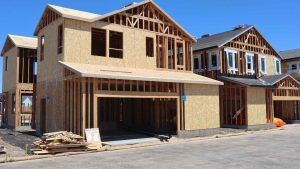
Las Vegas entered 2026 with considerably more inventory than buyers encountered during the extremely competitive housing conditions of several years ago. That gives buyers more choices and makes pricing discipline increasingly important for sellers. At the same time, Las Vegas remains a distinctive market with continued population movement, substantial new-home construction, a major tourism and entertainment economy, and strong interest from buyers relocating from higher-cost Western states.
For homeowners, the distinction between slower appreciation and declining value matters. A home that might once have received several immediate offers may now require additional time, stronger presentation, or more negotiation even if its underlying market value remains relatively stable.
Inventory Is One of the Most Important Numbers to Watch
Home values are heavily influenced by the relationship between supply and demand. When very few homes are available and many buyers are competing for them, sellers usually have greater pricing power. As inventory grows, buyers can compare more properties and become increasingly selective.
More inventory does not necessarily create a buyer’s market overnight. What matters is whether the number of available homes is growing faster than demand.
This is why Las Vegas buyers and sellers should look beyond national headlines and pay attention to neighborhood-level inventory, recent comparable sales, days on market, price reductions, pending sales, and the number of homes competing within the same price range.
Different Parts of Las Vegas Can Behave Very Differently
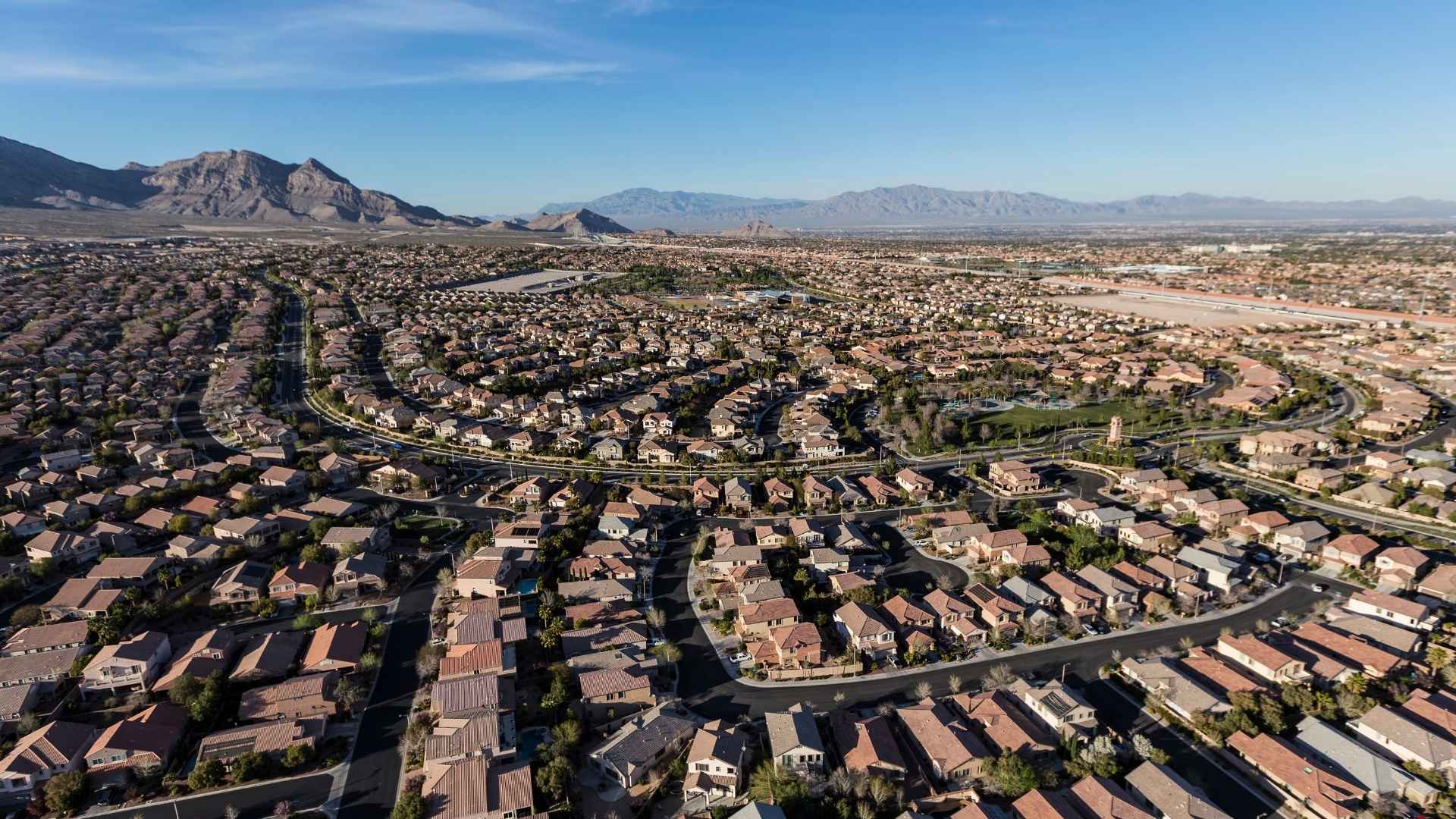
There is no single Las Vegas housing market. Conditions can vary significantly between Summerlin, Henderson, Southern Highlands, Green Valley, Centennial Hills, North Las Vegas, established central neighborhoods, luxury guard-gated communities, condominiums, and new-construction developments.
A well-maintained property in a desirable community with limited competing inventory may continue to attract strong interest even when overall transaction volume declines. Another property may face considerably more competition because buyers can choose between resale homes and aggressive builder incentives nearby.
Price range also matters. Entry-level buyers tend to be more sensitive to mortgage rates and monthly payments. Luxury buyers may be less dependent on conventional financing and therefore respond differently to changes in interest rates.
Mortgage Rates Can Matter as Much as Home Prices
National housing slowdowns are often closely connected to mortgage affordability. A buyer does not simply purchase a price; the buyer typically purchases a monthly payment.
When mortgage rates rise, buyers may qualify for less or intentionally reduce their price range. That can create additional negotiating pressure even when sellers are reluctant to lower asking prices.
This is also why seller concessions, closing-cost credits, mortgage rate buydowns, and other financing strategies can sometimes become more important than a simple price reduction. The best approach depends on the buyer’s financing and the economics of the individual transaction.
Correct Pricing Becomes More Important in a Slower Market
In an extremely competitive market, buyers may overlook an ambitious asking price because they are concerned about losing the property. That behavior tends to diminish when inventory increases.
When buyers have alternatives, an overpriced home can accumulate days on market while properly positioned competing homes sell first. Subsequent price reductions may help, but they can also cause buyers to wonder why the property has not already sold.
A realistic pricing strategy should consider recent closed sales, current competing listings, pending transactions, property condition, improvements, location, lot characteristics, community amenities, and current buyer behavior.
Buyers May Gain Opportunities Without Waiting for a Crash
Some buyers delay purchasing because they expect a national slowdown to produce dramatically lower home prices. That outcome is never guaranteed.
A more balanced market can create opportunities in other ways. Buyers may have additional time to evaluate properties, conduct inspections, compare neighborhoods, negotiate repairs, request credits, or pursue homes that previously would have attracted multiple offers.
A buyer who finds the right home at an affordable monthly payment may benefit from increased negotiating leverage even if the property’s headline price has not fallen significantly.
Sellers Should Focus on Their Local Competition
National statistics can be useful background information, but a homeowner preparing to sell should be much more interested in what is happening within a few miles—or sometimes a few blocks—of the property.
Which homes are competing for the same buyer? Which have gone pending? Which have reduced their prices? How do their condition, upgrades, lots, views, amenities, and HOA costs compare?
These details influence real-world buyer decisions much more directly than a national housing forecast.
Las Vegas Real Estate Decisions Should Start With Local Data
A national housing slowdown can affect Las Vegas, but it rarely affects every property in the same way. Greater inventory may reduce some of the urgency buyers experienced in previous years and can limit sellers’ pricing power, while desirable homes that are properly positioned can still perform well.
Whether you are considering buying, selling, or simply trying to understand what your Las Vegas property may be worth, the best starting point is a current analysis of your specific neighborhood, price range, and competition rather than a national headline.
If you are considering a move in the Las Vegas area, Darra Williams can help you evaluate current local market conditions and develop a strategy based on your individual goals.