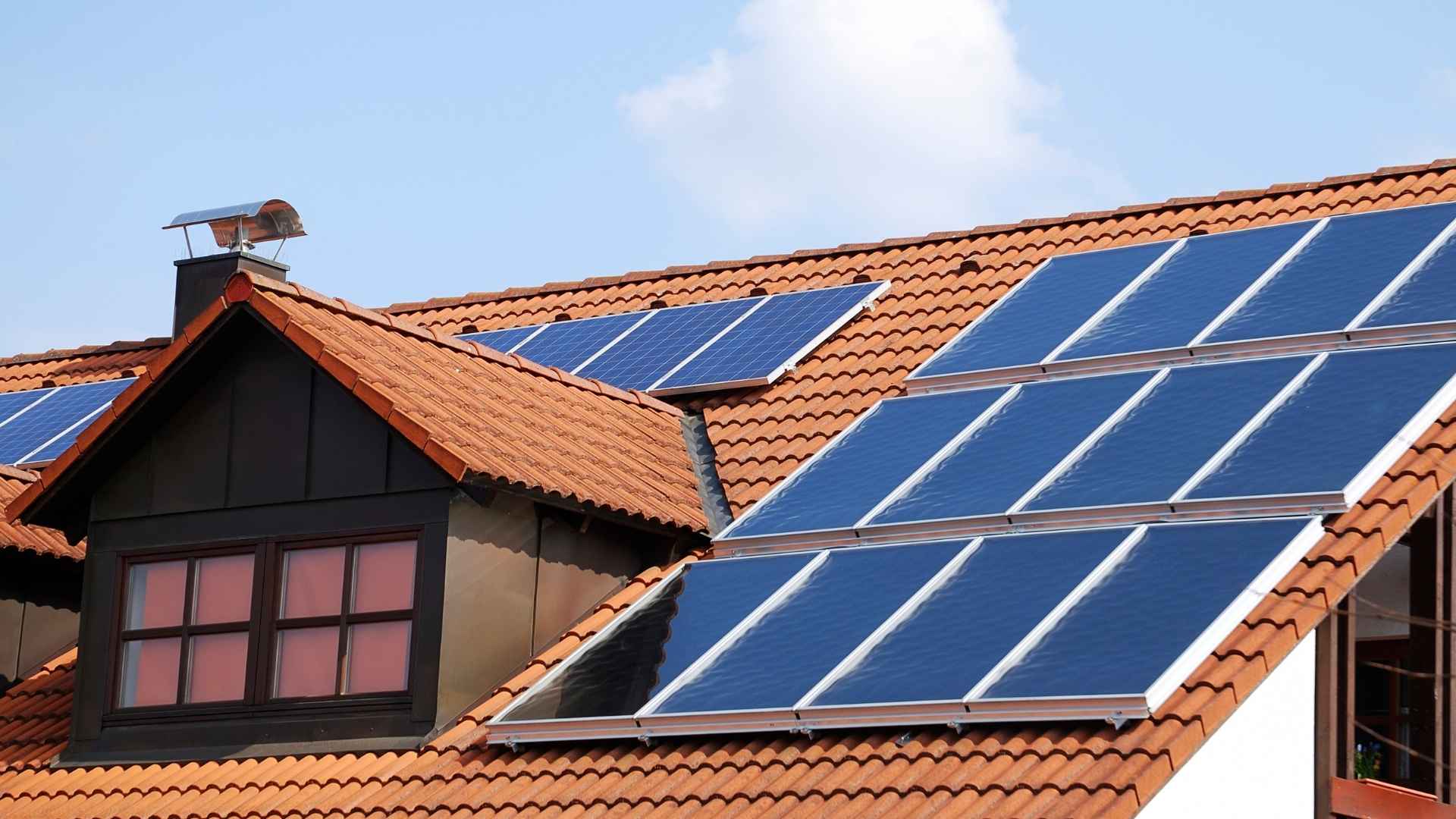
Solar panels are increasingly common on Las Vegas homes, which makes sense in a region known for abundant sunshine and substantial air-conditioning demand. But when purchasing a home with solar, the panels themselves are only part of the story.
Before making a decision, buyers should determine who owns the system, how it was financed, whether any payments remain, what happens when the property changes ownership, and how the system has actually affected the home’s electricity costs.
Two homes with visually identical rooftop solar systems can come with very different financial obligations.
Start With the Most Important Question: Who Owns the Solar System?
A solar system may be owned outright, financed through a loan, leased, or operated under a power purchase agreement. Understanding which arrangement applies should be one of the first steps in evaluating a solar-equipped property.
An owned system that has been completely paid for is generally the simplest arrangement from a real estate transaction perspective. The equipment is typically being transferred along with the property without a separate monthly solar payment.
That does not eliminate the need for due diligence. Buyers should still investigate system age, equipment condition, warranties, production history, roof condition, installer information, and any available service records.
A Solar Loan Can Create a Separate Financial Question
If the homeowner financed the system, there may still be an outstanding balance when the property is sold.
The purchase contract and solar financing documents should establish how that obligation will be handled. Depending on the financing arrangement, the seller may pay the balance, the buyer may potentially assume an obligation if permitted, or another solution may be required before closing.
Buyers should not assume that a solar loan automatically disappears when ownership of the home changes.
It is also important to understand whether any financing interest or filing is associated with the equipment and whether additional documentation will be needed by the mortgage lender or title company.
Solar Leases Require Careful Review
With leased solar, the homeowner generally does not own the panels. Instead, the homeowner makes payments under a contract with the solar provider.
Nevada requires residential solar lease agreements to address available options involving the continuation, termination, or transfer of the lease if the property is sold. That makes the actual lease agreement essential reading for a buyer.
Questions to investigate can include the remaining lease term, monthly payment, payment increases, transfer requirements, buyout options, warranties, maintenance responsibilities, and what happens when the agreement expires.
The buyer may also need to satisfy the solar company’s requirements before assuming the lease.
A Power Purchase Agreement Is Different From a Traditional Lease
A power purchase agreement, often called a PPA, typically involves paying for electricity generated by a solar system rather than purchasing the equipment itself.
As with a lease, buyers should understand the term of the agreement, current electricity rate, potential increases, transfer procedures, and any purchase or termination options.
The important question is not simply whether the property has solar. It is what contractual obligation accompanies the solar installation.
Ask to See Actual Utility and Solar Records
Solar marketing estimates can be useful, but buyers evaluating an existing home have something even better available: historical performance.
When records are available, consider reviewing electric bills and solar production information over an extended period rather than focusing on a single month.
Electricity consumption depends heavily on household behavior. Pool equipment, electric vehicles, thermostats, home size, occupancy, insulation, and other factors can dramatically change energy usage.
A system that worked well for the previous owner may not necessarily eliminate the next owner’s utility bill.
Determine the Age and Condition of the Roof
Solar panels and roofing systems have different lifespans. If an older roof requires replacement while solar equipment is installed above it, the panels may need to be temporarily removed and reinstalled.
Buyers should understand the roof’s approximate age and condition and investigate who would be qualified to remove and reinstall the solar equipment if roofing work becomes necessary.
This can be particularly relevant for buyers considering older Las Vegas homes where solar was added many years after the original roof installation.
Review the Equipment and Warranty
A residential solar installation may include panels, inverters, monitoring equipment, electrical components, mounting hardware, and potentially battery storage.
Buyers should determine which equipment is included in the sale and whether manufacturer, workmanship, roof-penetration, battery, or production warranties remain in effect.
It is also useful to determine whether warranties transfer automatically or require specific paperwork when ownership changes.
Solar Can Affect Mortgage Qualification
Mortgage lenders may treat solar arrangements differently depending on who owns the equipment and whether the buyer will inherit a recurring payment obligation.
This makes it important to provide solar documentation to the lender early rather than waiting until shortly before closing.
A buyer who has already been preapproved for a mortgage should still tell the lender about any leased or financed solar system being considered so the lender can determine whether it affects qualification.
Think Ahead to Future Resale
Today’s buyer eventually becomes tomorrow’s seller. Before taking over a long-term solar agreement, consider how easily that agreement can be transferred to another purchaser in the future.
An owned, well-documented solar system can be very different from an agreement containing years of remaining payments or escalating costs.
Keeping copies of contracts, warranties, production reports, service records, permits, and payoff information can make a future transaction easier.
Treat Solar as Part of the Real Estate Due Diligence
Solar can be an attractive feature for a Las Vegas home, but buyers should evaluate the system as both physical equipment and a potential financial contract.
Before closing, understand ownership, financing, transfer requirements, equipment condition, roof condition, utility history, warranties, and any continuing payment obligations.
When these issues are reviewed early, solar does not need to complicate a transaction. Darra Williams can help Las Vegas buyers identify the right questions to ask and coordinate the real estate side of the due-diligence process when considering a solar-equipped home.